

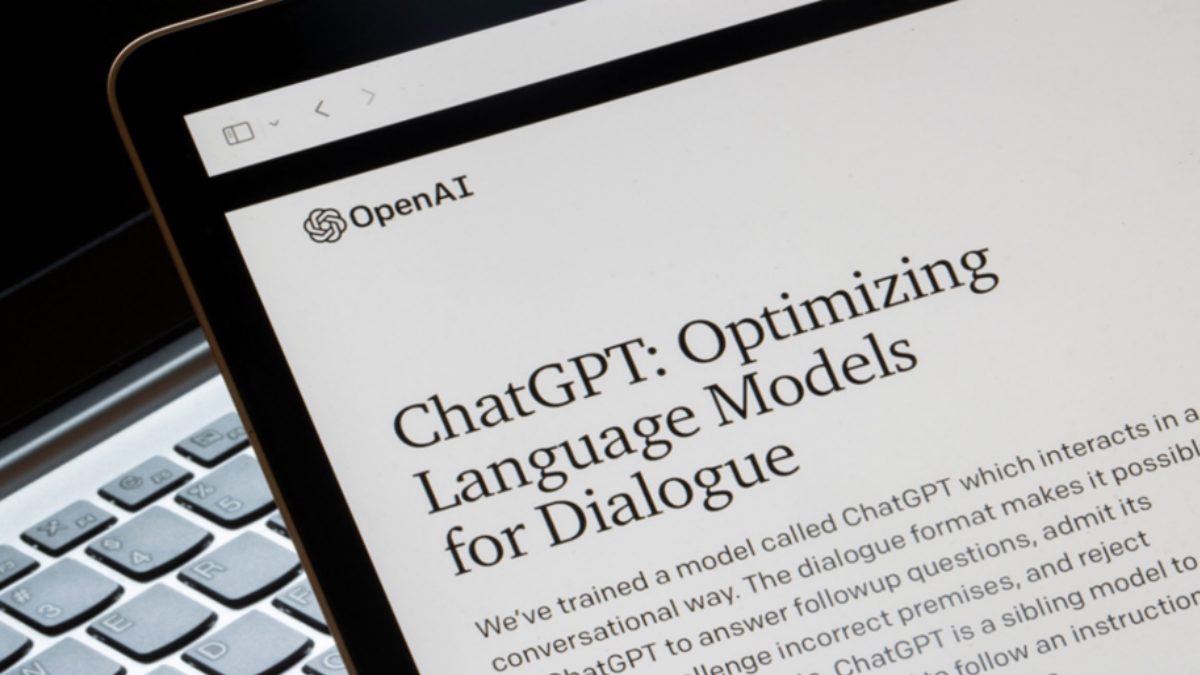
The use of artificial intelligences (AI) has become commonplace in our daily lives, so it's not surprising to see the advancements in science as the years go by. In 2015, the AI research and implementation agency, OpenAI has been dedicated to developing ChatGPTA software that communicates with the user through various means. These include gathering information, giving advice, creating content, telling stories, and many other capabilities.

How to detect texts created by Artificial Intelligence (AI)?
However, AI is still far from accurately replicating human communication.. So, below we present some ways to detect texts created by artificial intelligence, proposed by Melissa Heikkila.
1. Use software to analyze the fluency of the text, since it is very common for AI such as ChatGPT provide repetitive responses with a certain predictable pattern. Although certain studies conducted on sites like Ippolito and Google claim that if one of these texts is shown to a human, they will believe it to be natural due to its verboseness.
2. Pay attention to the text's spelling and accuracy. This is because artificial texts lack the minor and irregular errors that human writing would contain.

And then?
3. Observe if the text contains watermarks that some companies such as OpenAI implemented to avoid confusion with other organic texts. However, these tags only work with long texts and not with short chats or emails.
4. To glimpse the possible implausible statements that the text may have. Since AIs are incompetent when It is about contextualizing the information which houses the real world in its database. Its inflexible objectivity lacks knowledge of whether a statement is true or not.

Although software updates to identify material created by artificial intelligence are being renewed, chats like OpenAI's They become insurmountable to analyze because the error of the review sites is in their automatic detector, which should be replaced by technical fixes or a browser extension to be able to identify AI, as proposed by Daphne Ippolito, senior scientist at Google Brain.
What's next for ChatGPT and other AIs?Considering that human beings are capable of adapting to new technologies and using them to their advantage. OpenAI plans future improvements to the global accessibility of its website. and believes that it is a matter of time before ChatGPT adapt to new models that will facilitate access to healthcare, customer service, and other areas of daily life.
Image: OpenIA








 Español de Colombia
 English
 Português do Brasil