

In the age of information and technology, social networks have transformed the way we interact with the worldThrough them, we can stay connected with friends and family, meet new people, share our experiences, and access information quickly and easily. But what is the true cost of this constant connectivity?
What is “The Social Dilemma” and why is it important?
“The Social Dilemma” is a documentary produced by Netflix and released in 2020. This focuses on the problems of social networks and how large technology companies have created a "black box" that manipulates our behaviors and decisions.Through interviews with experts in technology, psychology, and ethics, we explore how social media uses artificial intelligence techniques and algorithms to capture our attention and keep us engaged on their platforms.
The documentary features testimonies from former employees of companies such as Facebook, Twitter and Instagram, who detail the unethical practices these companies carry out to increase their user base and generate greater profits.Additionally, it examines how social media can influence our political views and undermine democracy.
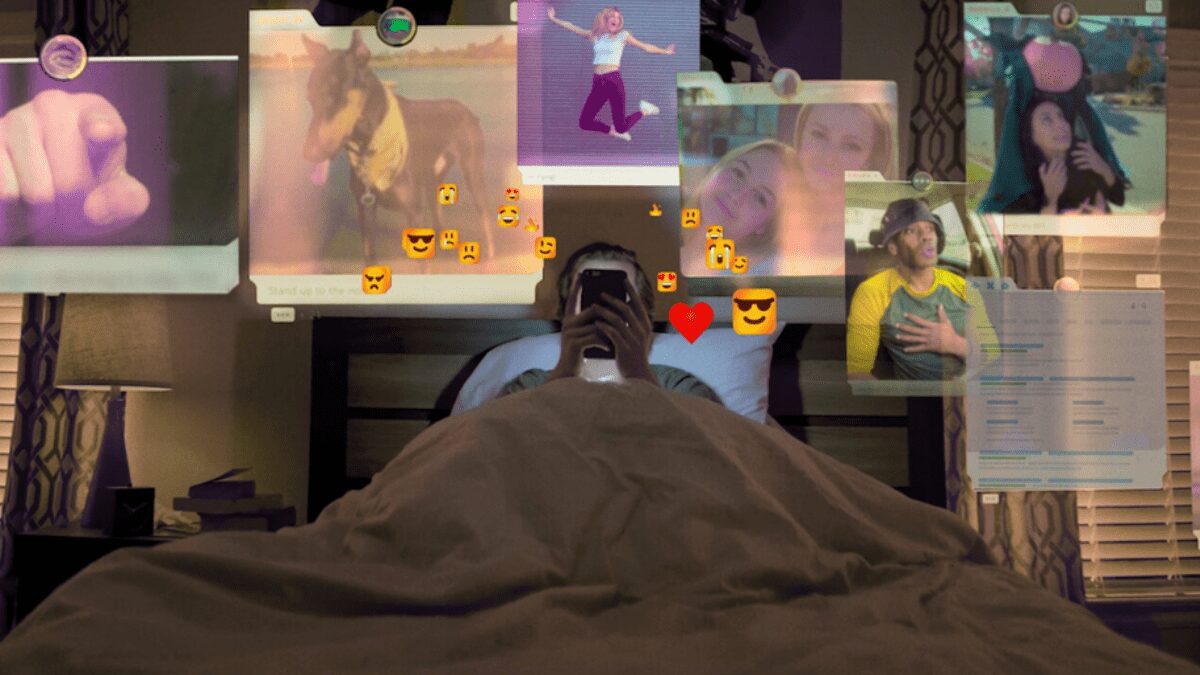
It's worth noting that this documentary includes dramatized scenes that seek to artistically express how platforms mine our data and addict us to interacting with them.
This element is of special interest, Because it reveals to us the place that we users occupy in the social media business.Do we pay to create our Facebook, Instagram, or Twitter accounts? While there are paid features, we can access the bulk of the content for free. The harsh reality that The Social Dilemma tries to convey to us is that, since these are services for which we don't pay money, we are the product.
Social media addiction and its impact on mental health
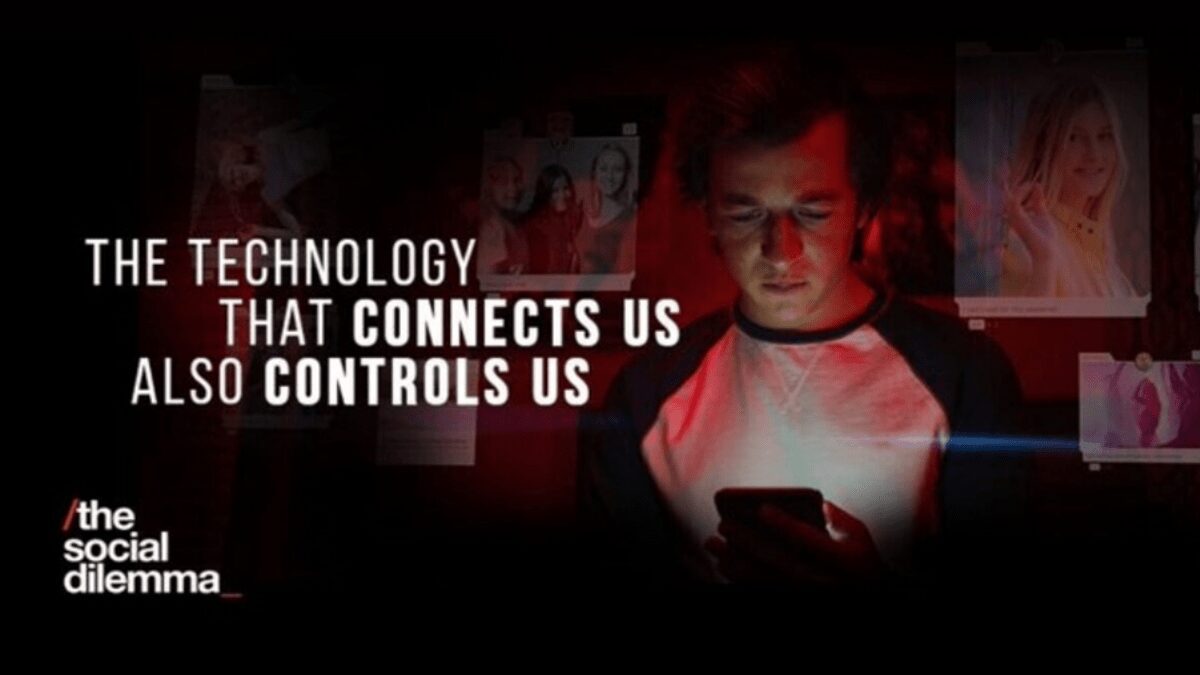
One of the main criticisms that “The Social Dilemma” makes of social networks is their ability to generate addiction.According to the documentary, tech companies use psychological techniques to make us feel dependent on their platforms, such as using notifications and creating "information bubbles" that reinforce our beliefs.
This addiction can have a negative impact on our mental health. For example, the documentary highlights how social media can increase anxiety and depression, as we constantly compare ourselves to others and feel pressure to maintain a perfect image online.
The manipulation of our political opinions
Another concern raised by “The Social Dilemma” is the ability of social media to manipulate our political opinions.According to the documentary, platforms use algorithms that show us content that reinforces our beliefs and keeps us in an "information bubble." This means we're exposed to a constant stream of information that confirms what we already believe, which can lead to political polarization and a lack of constructive dialogue.
Besides, The documentary also highlights how these platforms can be used to spread unreliable information., which can affect the way people perceive reality.
How to be more aware of our use of social media
After seeing “The Social Dilemma” may seem like there isn't much we can do to escape the influence of social media.However, the documentary It also offers some tips to be more aware of the use of these platforms and take care of our mental health..
For example, we can try to limit the time we spend online and use tools that allow us to control our notifications. We can also be more critical of the information we consume online and try to seek out reliable sources.
The importance of education and regulation
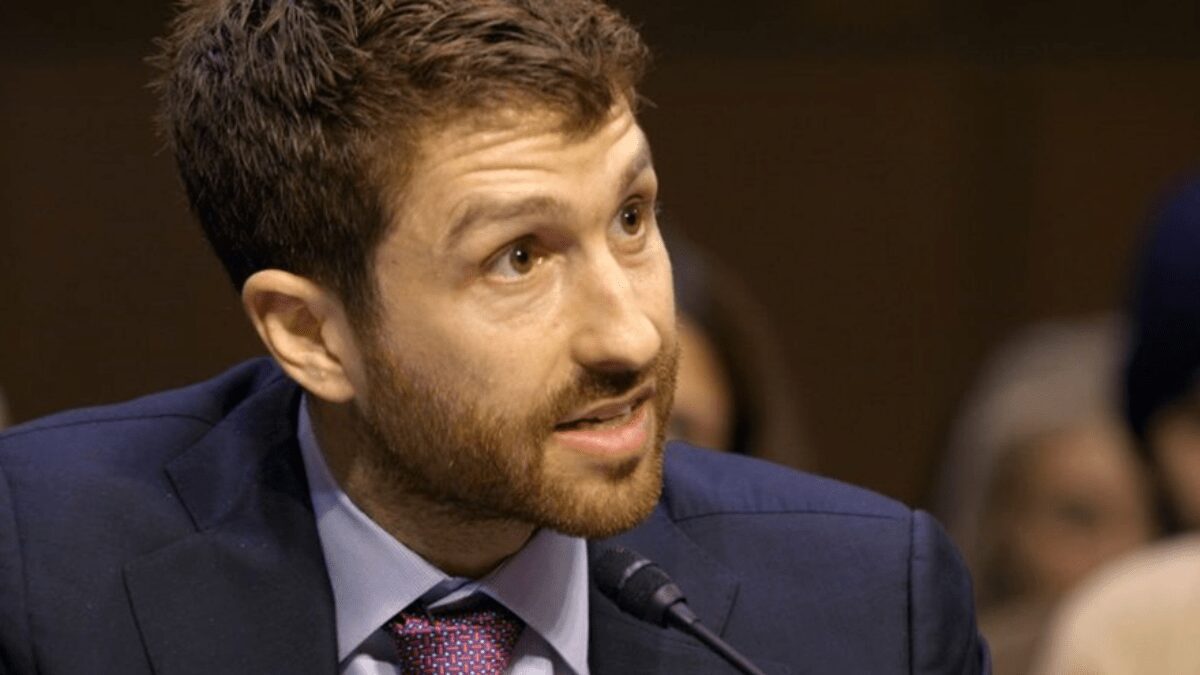
Finally, “The Social Dilemma” highlights the importance of education and regulation regarding social media.The documentary suggests that tech companies should be more transparent about their practices and need to be subject to more regulations to protect users.
Another solution proposed by the documentary is to "fight" the control of the algorithm.This means never letting yourself be guided by recommended videos on YouTube, for example, and always trying to verify the information you find online.
The message is clear, We must actively and often creatively resistOthers of us have opted to try to manipulate the algorithm so that it becomes our tool, and not the other way around. Some people have decided to cover up their computer webcams, as if we were in an episode of Black Mirror.
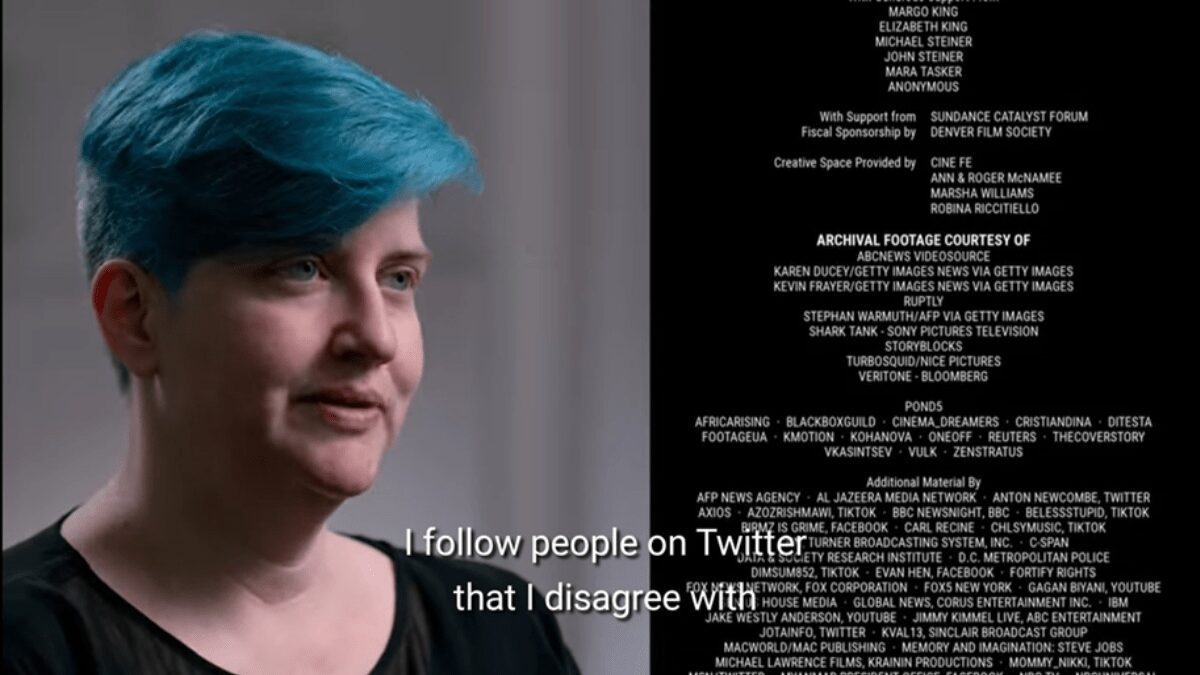
Tell us, our not-so-paranoid reader, what measures do you take to protect yourself from the dangers of social media? Do you think these concerns have any basis? We'll read you!
Image: Netflix






 Español de Colombia
 English
 Português do Brasil