

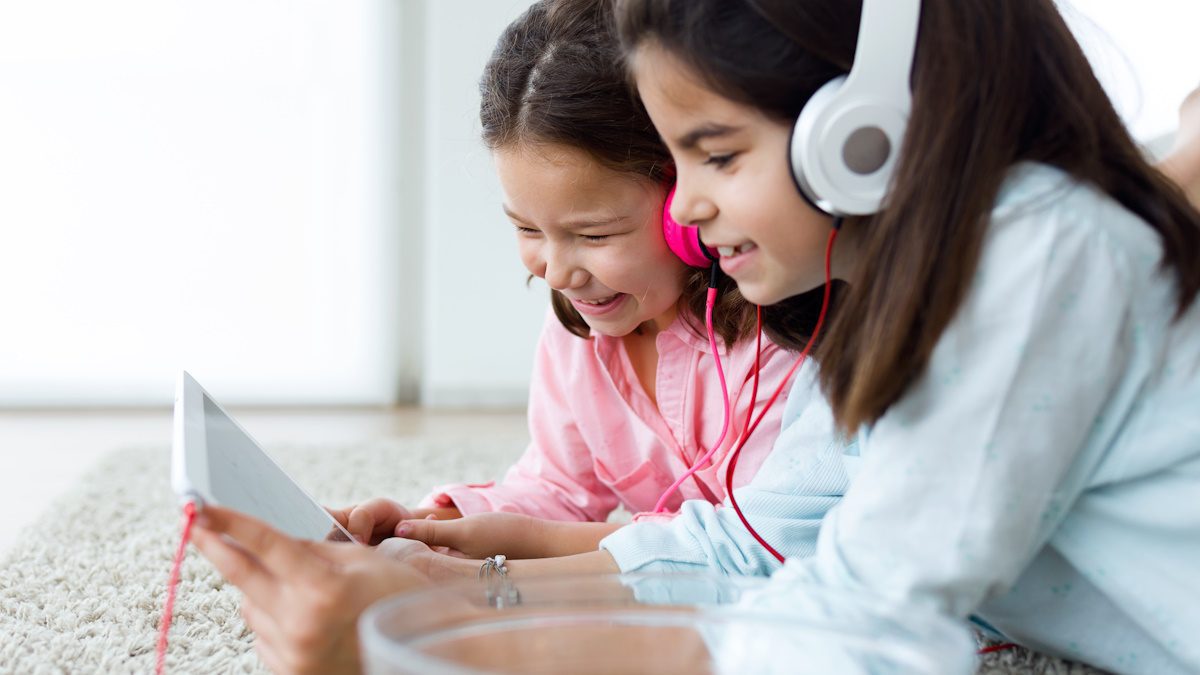
We want to tell you a story. A few months ago, I was concerned about my son's speech development. Although he was old enough to start talking, he was not showing much interest in communicating verbally. I realized that I needed to find an effective way to stimulate his language and help him develop his communication skills.
- Introduction to Apps for stimulating children's speech in infancy
- Apps to stimulate speech in children
- The importance of Toca Boca in linguistic development
- Endless Spanish: a playful approach to learning vocabulary
- First words with Grin and Uipi: a tool for beginning reading
- Speech Blubs: technology at the service of speech therapy
- Developing with ABCmouse: a comprehensive educational platform
- Creativity and speech through Puppet Pals
- Sound Touch: auditory learning with didactic cards
- Who is who I am: the classic game transformed into an educational app
- Responsible Use of Technology in Language Learning
- Specific Applications for Specific Language Disorders (SLD)
- Treating TEL with Talking to Nok and Sound Touch Lite
- Specialized tools: ISECUENCIAS, Cognition Lexicon, and eTABU
- Conclusion
It was when discover the best apps to stimulate speech in children. These apps became the practical tools we were looking for to help our son speak. It was amazing to see how his interest in language was awakened and how he slowly began to communicate more clearly and effectively.
If you find yourself in a similar situation and you are looking for apps to help children to speak, you are in the right place. In this article, I will present you with a selection of apps that can stimulate children's speech and help their language development. These apps have been carefully selected for their effectiveness and for the positive opinions of parents and experts in the field of speech therapy.
Each of these applications has proven to be a valuable tool for stimulating children's speech.. Whether your child is in the early language stages or has specific speech difficulties, you will find options to suit their needs.
Read on to find out how these apps to improve children's speech can make a difference in their communication development.
Introduction to Apps for stimulating children's speech in infancy
The applications to stimulate speech in infancy play a fundamental role in children's language development.. It is important to start stimulating language from an early age, as this allows them to acquire communication skills effectively and enrich their vocabulary.
Apps have become practical and accessible tools to help children improve their speech and communication. These apps are specifically designed to foster language development, correct pronunciation, listening comprehension and the ability to express themselves verbally.
By using applications to stimulate children's speech, children are given the opportunity to learn in a fun and playful way., which increases their motivation and commitment to the learning process. In addition, these apps allow parents and caregivers to become actively involved in their children's language stimulation, becoming important allies in their development.
Early childhood speech apps offer a wide variety of interactive exercises, games, songs and activities that help children expand their vocabulary, improve their pronunciation and develop effective communication skills. These apps can be tailored to the individual needs of each child, making them a versatile and personalized tool.
By using apps specifically designed to stimulate speech in childhood, language development can be enhanced in a fun and effective way. These apps offer a unique opportunity for children to acquire communication skills crucial to their daily lives and academic success.

Apps to stimulate speech in children
The importance of Toca Boca in linguistic development
One of the featured apps is Toca Boca, designed to foster language development in children. This app offers interactive scenarios where children can explore, create stories and communicate with colorful characters. By playing with Toca Boca, children develop language skills, expand their vocabulary and improve their oral expression.
Endless Spanish: a playful approach to learning vocabulary
This is another recommended app that uses a playful approach to teach vocabulary to children. Through interactive games and fun animations, children learn new Spanish words while having fun. This app stimulates children's visual and auditory memory, helping them to expand their vocabulary and improve their pronunciation.
First words with Grin and Uipi: a tool for beginning reading
Grin and Uipi is an ideal tool for encouraging children's speech to begin reading and acquiring new words. This application features fun, interactive activities that help children recognize and learn basic words. As children progress through the game, they gain confidence in their ability to read and build their vocabulary progressively.
Speech Blubs: technology at the service of speech therapy
It is an innovative application that uses technology to help children with speech and language difficulties. Through interactive activities, games and educational videos from Speech Blubs, In this program, children practice sounds and words to improve their pronunciation and fluency. This tool is especially useful for children with speech and communication disorders.
Developing with ABCmouse: a comprehensive educational platform
ABCmouse is a comprehensive educational platform that addresses different areas of child development, including language. This application offers a wide variety of interactive activities, videos and songs that help children improve their vocabulary, listening comprehension and reading skills. ABCmouse is a complete tool to stimulate speech and language development in children.
Creativity and speech through Puppet Pals
It is an application that fosters creativity and children's speech by allowing them to create and record their own stories using animated characters. Children can bring their ideas to life and practice their language skills by developing narratives and dialogues. This app promotes oral expression, imagination and verbal communication.
Sound Touch: auditory learning with didactic cards
Another application that focuses on auditory learning through the use of interactive flashcards. With Sound Touch, With this application, children can touch the images and listen to the sounds associated with them, which helps them to identify and memorize words and sounds with ease. This application is a practical tool to strengthen children's vocabulary and auditory discrimination.
Who is who I am: the classic game transformed into an educational app
This is a educational app that transforms the classic game into a fun activity to stimulate children's speech. Children must ask questions and guess the identity of the characters. This game encourages oral expression, logical reasoning and vocabulary enrichment.
Responsible Use of Technology in Language Learning
The use of technology can be a powerful tool to stimulate learning and language development in children. However, it is essential to use it in a responsible and balanced way.
There are numerous benefits to using apps and other technological devices to help children develop their speech and language skills.. These tools can provide an interactive and playful way of learning, capturing children's attention and motivating them to actively participate in the learning process.
Specific applications designed to stimulate speech and language can help expand children's vocabulary, improve their pronunciation, increase their listening comprehension and practice verbal communication.. By leveraging technology responsibly, children can have access to rich and varied educational resources that complement their formal education.
However, it is important to be aware of the potential risks associated with the overuse of technology on children's language development. Overuse of electronic devices can limit social interactions and reduce opportunities for oral language practice in real-life situations. In addition, inappropriate or non-educational content can distract children and hinder their learning.
To ensure responsible use of technology in language learning, it is important to establish time limits and parental supervision. It is advisable to combine the use of technological applications and devices with off-screen activities that encourage face-to-face interaction and imaginative play.
In addition, it is essential to carefully select the applications and content used, choosing those that are appropriate for the child's age and that are supported by research and professional recommendations.
In summary, technology can be a valuable tool for children's learning and language development. However, its use must be responsible and balanced, taking into account both the benefits and potential risks. By making conscious use of technology, parents and educators can maximize the benefits and provide children with an enriching and safe experience.
https://www.youtube.com/watch?v=pC4Rt0q4nzk
Specific Applications for Specific Language Disorders (SLD)
Specific Language Disorder (SLD) is a condition that affects language acquisition and development in children. Fortunately, there are specific applications that can be of great help to treat this disorder and promote communication in children.
Treating TEL with Talking to Nok and Sound Touch Lite
Among the most recommended apps for the treatment of SLI are Talking with Nok and Sound Touch Lite. These apps offer interactive activities and games designed to stimulate language and improve communication in children with SLI.
Specialized tools: ISECUENCIAS, Cognition Lexicon, and eTABU
Other specialized tools for TEL include ISECUENCIAS, Lexicon Cognition and eTABU. These applications offer specific exercises and activities to work on areas such as word sequence, vocabulary and language comprehension.
These apps are especially useful for children with SLI, as they have been designed with the specific difficulties of this condition in mind. In addition, they offer a playful and engaging approach that motivates children to participate and learn in a fun way.
Apps Recommended by Speech-Language Pathologists and Speech Therapy Professionals
In this section, we will highlight apps recommended by speech and language and speech therapy professionals to stimulate speech in children. These apps have been carefully selected by experts in the field and are considered effective tools to support language development in children.
Speech therapists and language specialists recommend these apps because of their educational approach, their quality and their ability to engage and motivate children in the learning process.
These apps provide interactive activities and exercises that help children improve their vocabulary, pronunciation and language comprehension. In addition, many of these apps offer progress tracking, allowing parents and professionals to assess children's speech development.
Remember that the supervision and active participation of parents and language professionals are essential when using these apps to ensure optimal and safe use.
Conclusion
In summary, the use of apps to stimulate speech in children can be an effective and practical tool to foster their linguistic development. Throughout this article, we have explored different recommended apps that focus on improving children's language in a playful and educational way.
It is important to note that the use of these apps should be responsible and balanced. While they can offer great benefits, it is essential that parents and caregivers monitor the time and frequency of use, making sure to combine it with other learning and play activities that promote interpersonal communication.
When choosing an app, it is advisable to look for those that suit the child's needs and preferences, paying attention to the recommendations of speech and language professionals. Each child has his or her own pace of development and individual characteristics, so it is important to find the right application that fits his or her specific needs.
In conclusion, apps can be powerful allies in helping children improve their speech and language. When used responsibly and in conjunction with other learning activities, they can complement children's language development process and promote effective communication from an early age.
Image: Freepik








 Español de Colombia
 English
 Português do Brasil