


It is a cause for complaint many times and a cause for laughter at others. Without a doubt, filler is one of the topics that generates more conflicts and discord when talking about series or movies..
However, In many cases, this term is used in a derogatory manner to refer to a plot or sequence of events that, apart from keeping some distance from the central material of a story, we do not like.. But is it that simple?
The strict definition
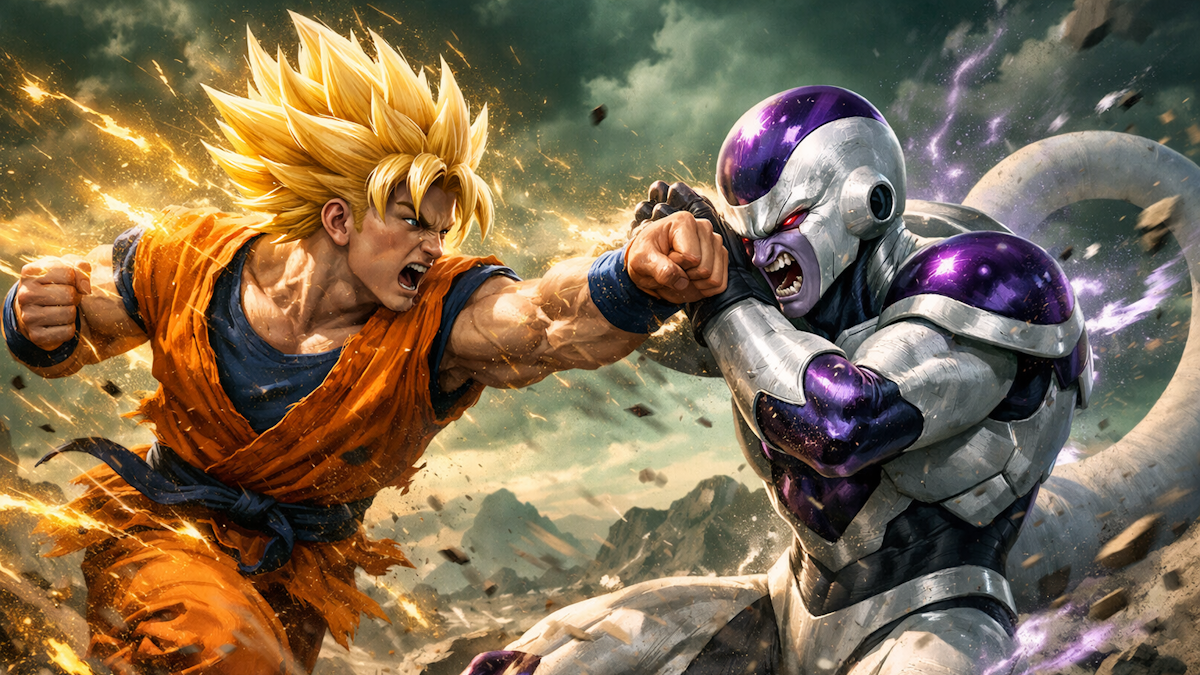
The term “filler” first came into use in the world of anime.. In this area, the series are usually adaptations of stories that were born in manga (with a few exceptions, such as YuGiOh and Dragon Ball GT).
Therefore, this concept was used to define the material strictly original to anime, although always with varied results.

The filling can be somewhat larger
There is, on the other hand, a definition that does not only contemplate Japanese productions. It can also refer as filler to series chapters or movie subplots that do not contribute to the main story to be told.
The problem (or advantage, depending on how you look at it) is that this definition lends itself to various conclusions as to what is or is not filler. While some might argue that certain content does not develop the plot, others might object that it is character or world development.

Why does it exist?
As we mentioned, “filler” can be used to develop the characters or the world in which the story takes place. But in anime it has a much less artistic reason.. The production of the series does not catch up with that of the manga, which could cause the project to stagnate, a bad thing in terms of marketing.
Nowadays, many anime have chosen to develop season by season with several years of difference, in some occasions.. This methodology has been used to avoid the use of filler or to excessively lengthen the scenes of tension.

Finally, tell us, what is stuffing for you? What is the best stuffing you remember? And the worst?
Image: La Neta Neta






 Español de Colombia
 English
 Português do Brasil